

Remembering our past, recognizing our lineage relationships, and honoring the journey.
Browse By Era
Narrative Overview | Early Ranger History | World War II | Korea | Vietnam | Expeditionary Era | Post-9/11
Early Ranger History
Year
Timeline Entry
Benjamin Church and King Philip’s War
1675 - 1676
Rogers’ Rangers and the French and Indian War
1750s
Rangers in the American Revolution
1775 - 1783
U.S. Rangers in the War of 1812
1812 - 1815
Ranger Units in the Civil War
1861 - 1865
WWII
Year
Timeline Entry
Darby and the Formation of the 1st Ranger Battalion
1942
Rangers in North Africa and Sicily
1942 - 1943
Cisterna and the Losses of the 1st and 3rd Ranger Battalions
1944
Merrill’s Marauders in Burma
1944
Rangers on D-Day
1944
The 6th Ranger Battalion and the Raid at Cabanatuan
1945
Korean War
Year
Timeline Entry
Formation of the Eighth Army Ranger Company
1950
Airborne Ranger Companies Train at Fort Benning
1950
2nd Ranger Infantry Company (Airborne)
1950
Operation Tomahawk
1951
Bloody Nose Ridge
1951
The Origins of Ranger School
1951 - 1952
Vietnam
Year
Timeline Entry
Long-Range Reconnaissance Patrols
1960s
Battle of Signal Hill
1968
Ranger Companies of the 75th Infantry,
1969
Expeditionary Era
Year
Timeline Entry
The Return of Ranger Battalions
1974
Operation Eagle Claw
1980
Operation Urgent Fury
1983
Formation of the 75th Ranger Regiment
1984 - 1986
Operation Just Cause
1989
Operation Desert Shield/Operation Desert Storm
1991
Operation Iris Gold
1991
Task Force Falcoln
2000
Task Force Ranger and the Battle of Mogadishu
1993
Operation Embryo Stage
1992
Post 9-11
Year
Timeline Entry
Operation Rhino
2001
Haditha Dam
2003
Operation Red Wings
2005
Activation of the Regimental Special Troops Battalion
2007
First Women Graduate from Ranger School
2015
Operation Kayla Mueller
2019
The Battle of Takur Ghar(Roberts Ridge)
2002
Operation Objective Berlin
2009
Permanent Activation of the Regimental Military Intelligence Battalion
2020
Narrative Overview
Wikipedia
The Early History of American Rangers
The American Ranger tradition took shape long before the United States was founded. From the colonial era through the Revolutionary War, early Rangers earned a reputation for courage, resourcefulness, and leadership under difficult conditions. Their experience helped shape a tradition that later generations of Rangers would carry forward.
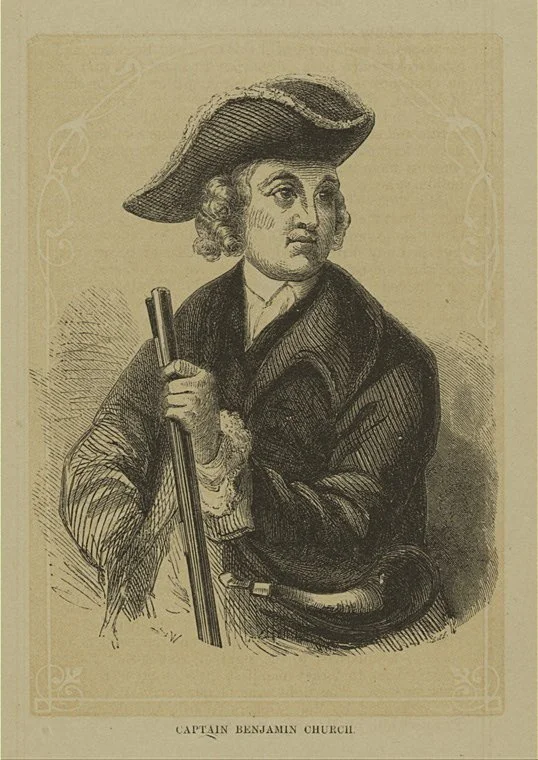
During King Philip’s War, which began in 1675, Captain Benjamin Church led a company from Plymouth Colony that brought colonial soldiers and Indigenous allies together. Decades later, during the French and Indian War, Robert Rogers recruited American colonists to serve with British forces. He drew on frontier experience to organize and train his companies and set down 19 standing orders. The U.S. Army still recognizes those orders as part of Ranger heritage.
During the Revolutionary War, Colonel Daniel Morgan carried forward elements of that tradition with Morgan’s Riflemen. Known for their marksmanship, his men brought skills honed on the frontier into the service of the Continental Army.
Sources: U.S. Army’s Ranger heritage overview and the Ranger Handbook.
Wikipedia
The Revolutionary War
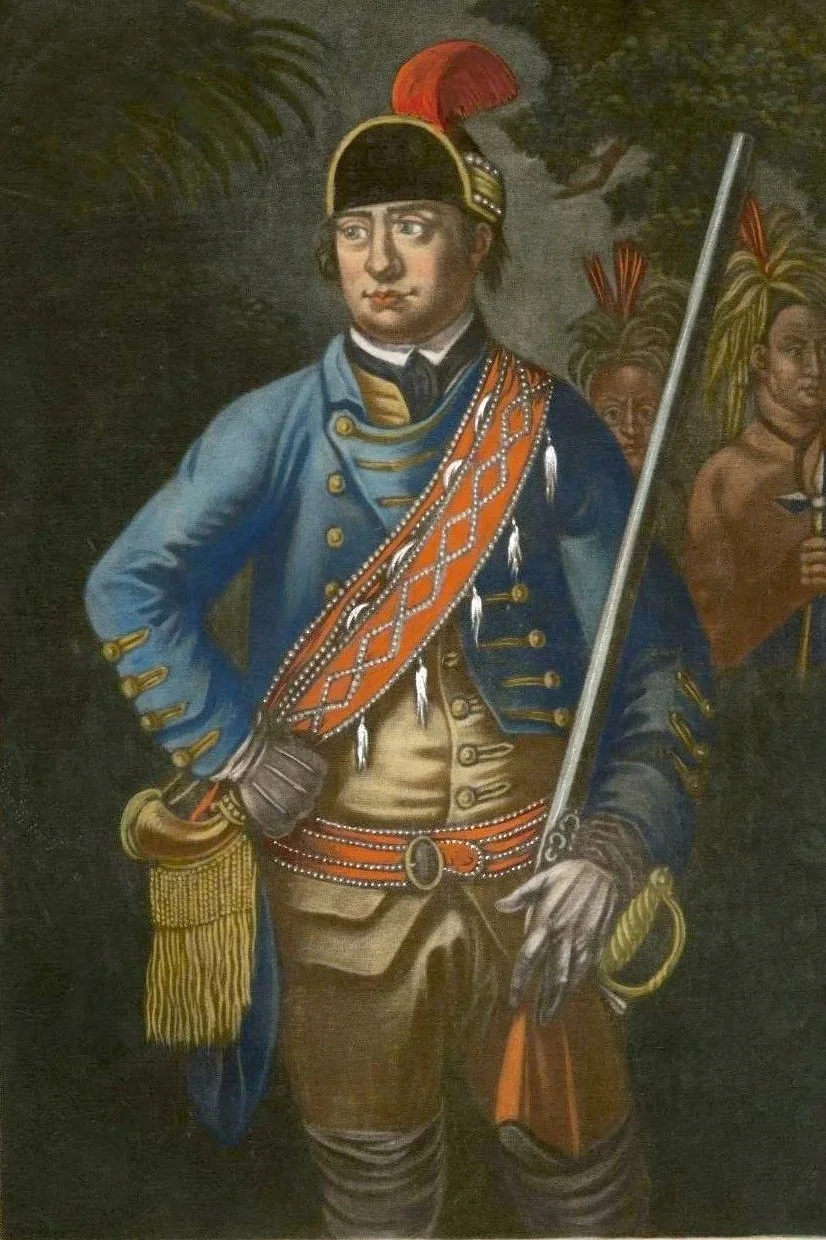
In South Carolina, Francis Marion, known as the “Swamp Fox,” organized a force that became known as Marion’s Partisans. His men sometimes operated independently and at other times supported the Continental Army. Drawing on their knowledge of the Carolina swamps, they disrupted British communications and hindered efforts to organize Loyalist support. Their service helped sustain the American effort in the Southern campaign.
The Civil War
During the Civil War, both sides fielded specialized units. Among the best known on the Confederate side was the cavalry unit led by John S. Mosby, commonly called Mosby’s Rangers. The unit became known for its mobility and surprise raids. Its activity forced Union commanders to devote troops to protecting supply lines and outposts.

Wikipedia
Army Rangers in World War II
On June 19, 1942, Major William O. Darby activated the 1st Ranger Battalion at Carrickfergus, Northern Ireland. The battalion was made up of handpicked volunteers. Later that summer, 50 of those Rangers took part in the Dieppe Raid on the French coast alongside British and Canadian forces.
Darby’s Rangers went on to serve in North Africa, Sicily, and mainland Italy. They helped lead the U.S. Seventh Army’s landings in Sicily and fought in the campaign that ended with the capture of Messina. In January 1944, the 1st and 3rd Ranger Battalions suffered devastating losses at Cisterna, Italy. Most of the Rangers who went into Cisterna were killed or captured. Their service and sacrifice are part of the history we carry forward.
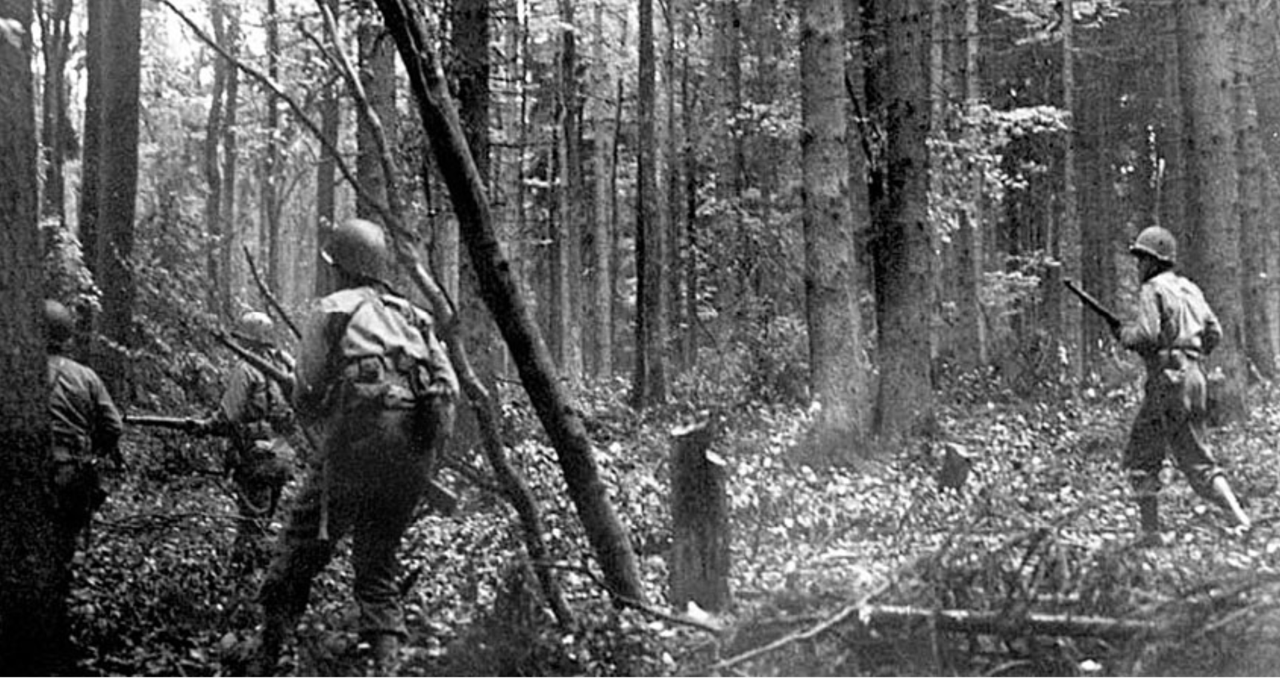
On June 6, 1944, Rangers from the 2nd and 5th Ranger Battalions took part in the D-Day landings in Normandy. As troops came under heavy fire at Omaha Beach, Brigadier General Norman Cota called on the 5th Ranger Battalion to lead the advance off the beach. His words, “Rangers, lead the way,” became the motto generations of Rangers would carry forward.
Sources · U.S. Army, 1st Ranger Battalion History for Darby and the battalion’s activation. U.S. Army Combat Studies Institute, Rangers: Selected Combat Operations in World War II for Cisterna. U.S. Army, Military Intelligence Professional Bulletin, April–June 2019 for Cota and the origin of the Ranger motto.
Wikipedia
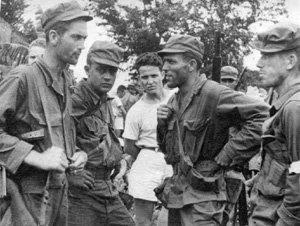
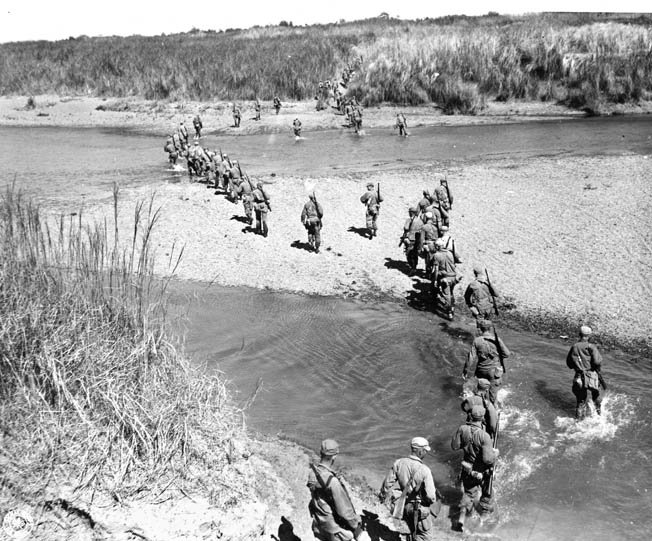
Led by Brigadier General Frank D. Merrill, the 5307th Composite Unit (Provisional) became known as Merrill’s Marauders. After training in India, nearly 3,000 soldiers entered northern Burma in 1944. They crossed mountains and dense jungle and fought alongside Chinese forces in a campaign to reopen an overland supply route to China.
In May 1944, the Marauders helped capture the airfield at Myitkyina. Fighting for the town continued into August, the same month the 5307th was disbanded. The endurance of the men who served in Burma remains part of the Ranger story.
Source · U.S. Army Center of Military History, Merrill’s Marauders, February–May 1944.
AFSOF History
The 6th Ranger Battalion and the Raid at Cabanatuan
The 6th Ranger Battalion served in the Pacific, conducting reconnaissance and raids behind Japanese lines. Its Rangers took part in the opening operations of the campaign to liberate the Philippines.
On January 30, 1945, Rangers from the battalion joined Alamo Scouts and Filipino guerrillas to rescue prisoners held at a Japanese camp near Cabanatuan. Together, they freed more than 500 American and Allied prisoners of war. The operation became known as the Great Raid.
Sources · U.S. Army Combat Studies Institute, Rangers: Selected Combat Operations in World War II and U.S. Army, Ranger Handbook.
Merrill’s Marauders in Burma
Contributor; David Kaufman, via ARSOF History
Army Rangers in the Korean War
When the Korean War began in June 1950, the U.S. Army again called for Ranger volunteers. The Eighth Army Ranger Company drew volunteers from American units stationed in Japan and trained them in Korea. The company fought during the advance toward the Yalu River. In November 1950, when Chinese forces entered the fighting in strength, the outnumbered company held its position through five assaults.
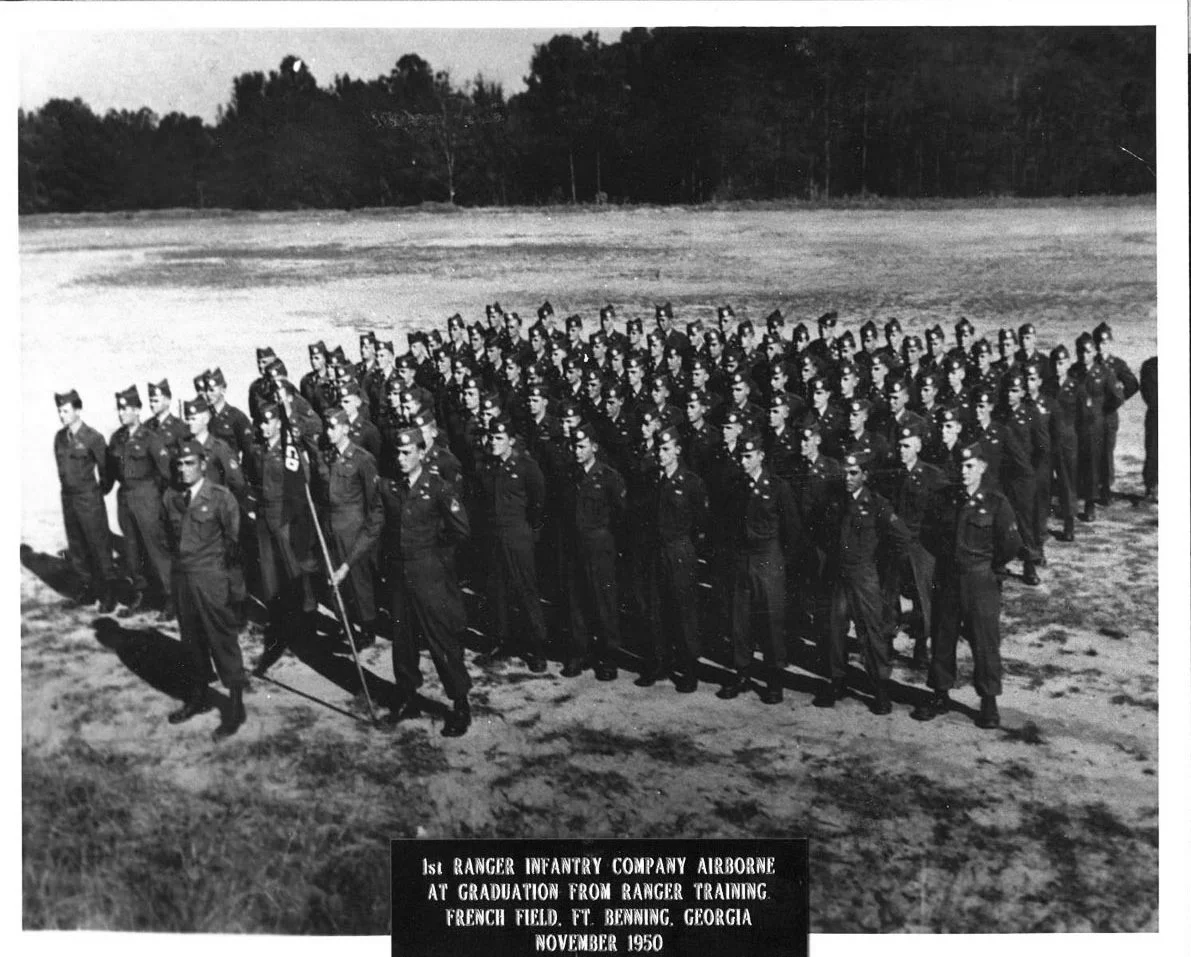
That fall, the Army began a separate effort to train airborne Ranger companies at Fort Benning, Georgia. Army Chief of Staff General J. Lawton Collins authorized the formation of four companies and chose Colonel John Gibson Van Houten to establish the training program. Thousands of paratroopers from the 82nd Airborne Division volunteered for hazardous duty. Those selected reported to Fort Benning, where the Army drew on lessons from World War II to prepare a new generation of Rangers.
Sources · U.S. Army, Ranger Handbook and U.S. Army Heritage Museum, Rangers All the Way!.
2nd Ranger Infantry Company (Airborne)
In the fall of 1950, airborne volunteers gathered at Fort Benning, Georgia, to train for service in Korea. World War II veterans were among the men who helped prepare the new companies, drawing on experience with the original Ranger battalions and other wartime units. The course was demanding, and much of the training took place at night. Soldiers brought skills from their previous assignments and learned from one another as they prepared to serve together.
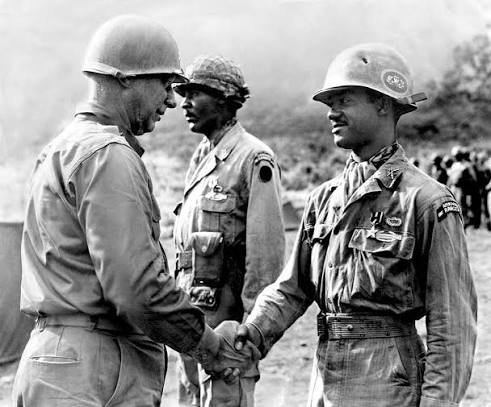
Among those early companies was the 2nd Ranger Infantry Company (Airborne), officially activated on October 28, 1950. Its ranks included Black paratroopers from the 505th Parachute Infantry Regiment and the 80th Airborne Anti-Aircraft Battalion. The soldiers went on to serve in Korea as the U.S. Army’s only officially authorized all-Black Ranger company.
Sources · U.S. Army, Retired Soldier Recounts History of All-Black Ranger Company and U.S. Army Center of Military History, 75th Ranger Regiment Lineage and Honors.
As the Army began inactivating its airborne Ranger companies in Korea in 1951, it broadened the purpose of Ranger training. The goal was to bring lessons from the Ranger units of World War II and Korea to combat units across the Army.
In October 1951, the U.S. Army Infantry School established the Ranger Department at Fort Benning, Georgia. The program challenged soldiers to lead small units in the field, build physical endurance, and practice the discipline their teams depended on. On March 1, 1952, the first Ranger class for individual candidates graduated.
Sources · U.S. Army Center of Military History, Honor and Fidelity and U.S. Army, 4th Ranger Training Battalion History.
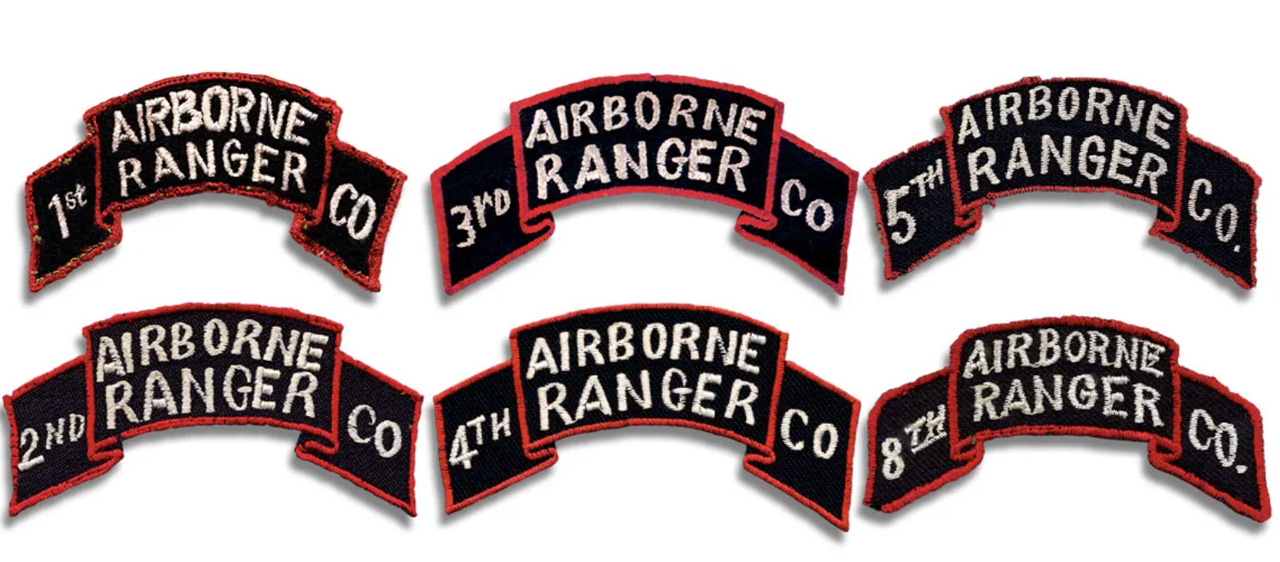
The Korean War combat Ranger tabs, via AFSOF History
The Airborne Ranger Companies in Korea
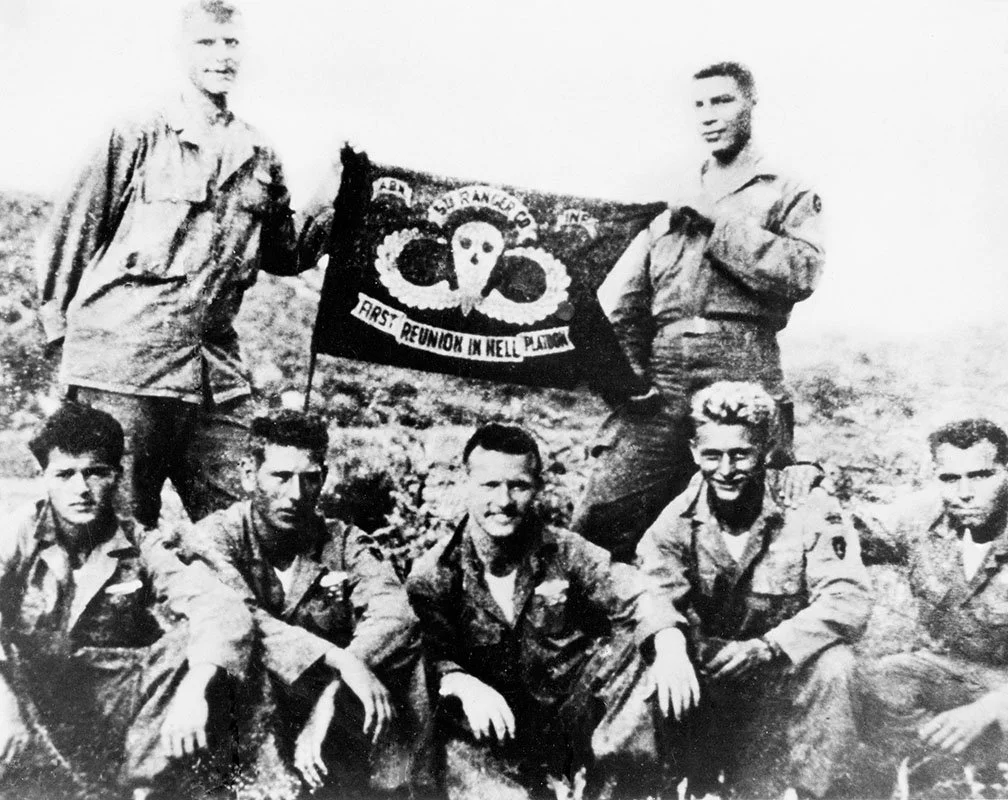
During the Korean War, the Army trained airborne Ranger companies at Fort Benning, Georgia. Many continued their training in the Colorado mountains at Camp Carson. Six companies served in combat with Eighth Army in Korea: the 1st, 2nd, 3rd, 4th, 5th, and 8th Ranger Infantry Companies (Airborne).
About 700 soldiers served with those six companies in Korea in 1950 and 1951. On March 23, 1951, the 2nd and 4th Ranger Companies took part in Operation Tomahawk near Munsan-ni, making the first combat parachute jump by U.S. Army Rangers. The cost of service was heavy. According to the U.S. Army’s Ranger Handbook, about one in nine men from the six companies died in combat in Korea.
Other airborne Ranger companies served in the United States, Germany, and Japan. Some of their soldiers went on to fight in Korea with regular infantry units. Among them was Sergeant Donn F. Porter, who received the Medal of Honor posthumously for his actions while serving with the 14th Infantry Regiment in September 1952. The men of these early airborne companies were the first to wear the Ranger Tab.
Sources · U.S. Army, Ranger Handbook, U.S. Army Pacific, Operation Tomahawk, and Congressional Medal of Honor Society, Donn F. Porter..
The Origins of Ranger School
1969 · Army Rangers in the Vietnam War
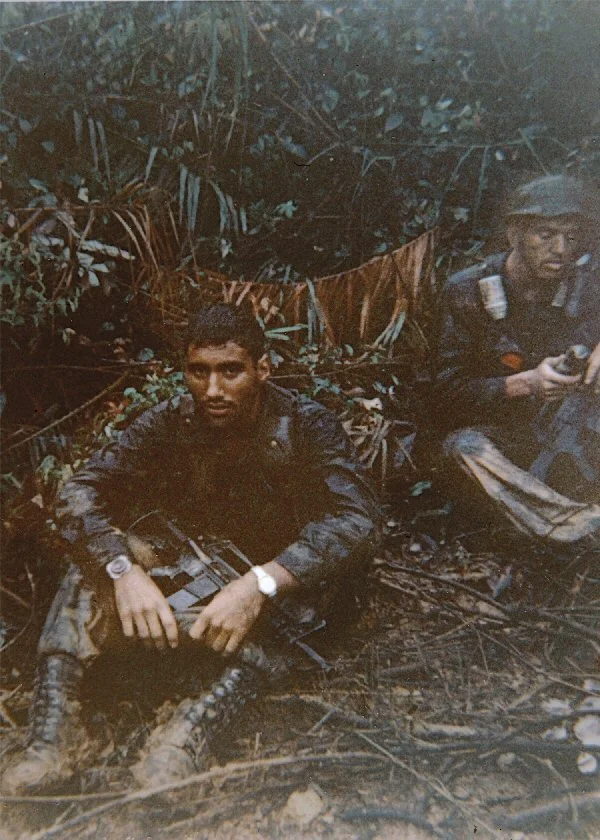
From the Mekong Delta to the Demilitarized Zone, volunteer reconnaissance teams gathered intelligence for Army brigades, divisions, and field forces. Their patrols helped commanders understand what was happening beyond friendly lines. In 1969, the Army redesignated long-range patrol units as Ranger companies of the 75th Infantry, carrying their reconnaissance experience forward under the Ranger name.
1974 · The Return of Ranger Battalions
After Vietnam, Army Chief of Staff General Creighton Abrams saw a need for a highly trained force that could respond quickly to a crisis. In 1974, the Army activated the 1st and 2nd Battalions (Ranger), 75th Infantry, its first battalion-sized Ranger units since World War II. Those two battalions laid the groundwork for the modern 75th Ranger Regiment.
1983–1986 · Grenada and the Formation of the 75th Ranger Regiment
In October 1983, the two Ranger battalions took part in Operation Urgent Fury in Grenada. They seized the airfield at Point Salines and helped rescue American medical students. The following year, the Army activated a third Ranger battalion and established a regimental headquarters. On February 3, 1986, the unit took the name 75th Ranger Regiment.
1987 · The Ranger Training Brigade
On November 1, 1987, the Ranger Department at Fort Benning became the Ranger Training Brigade. At the time, Ranger School had four phases: Benning, Mountain, Florida, and Desert. The Desert Phase was later discontinued. Through those changes, the course kept its focus on preparing soldiers to lead small units under physical and mental pressure and to exercise sound judgment when others depend on them.
1989 · Operation Just Cause in Panama
On December 20, 1989, the 75th Ranger Regiment deployed its headquarters and all three battalions together for the first time. During Operation Just Cause, Rangers helped lead the opening operations at Torrijos–Tocumen Airport and Río Hato Airfield. They continued to serve in Panama through early January 1990.
Sources · U.S. Army, Ranger Handbook, U.S. Army, Ranger Heritage, and U.S. Army, Airborne and Ranger Training Brigade History.
1991 · Operation Desert Storm
In early 1991, elements of the 75th Ranger Regiment deployed to Saudi Arabia in support of Operation Desert Storm during the Gulf War.
Wikipedia
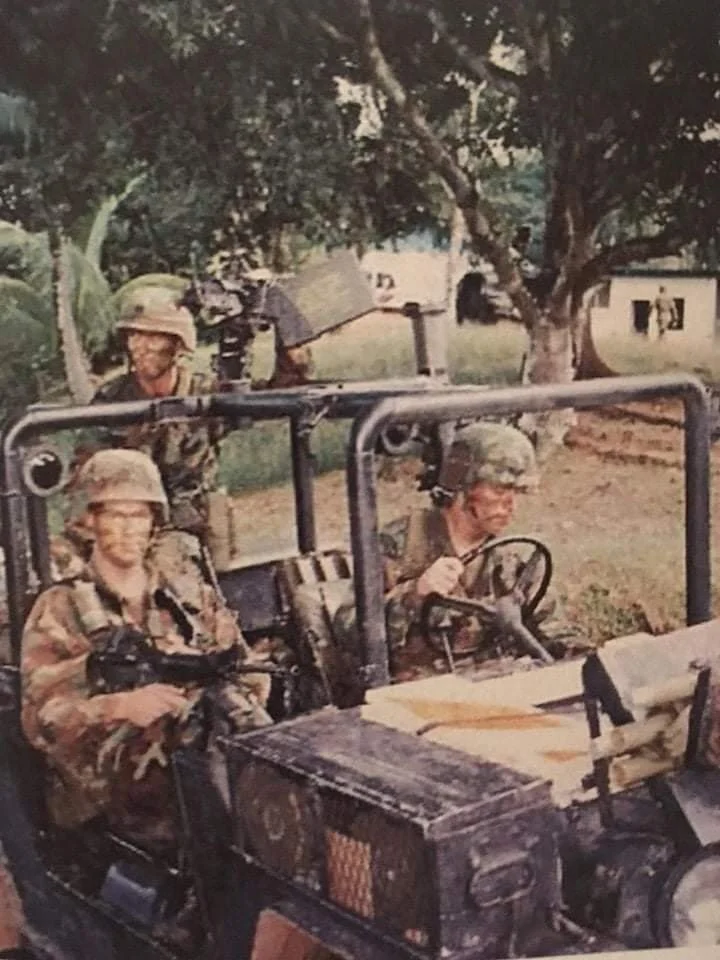
1993 · Task Force Ranger and the Battle of Mogadishu
In August 1993, Rangers from the 3rd Battalion, 75th Ranger Regiment deployed to Somalia as part of Task Force Ranger, a joint special operations force. Their deployment was part of Operation Gothic Serpent. On October 3 and 4, they fought in the Battle of Mogadishu alongside other U.S. forces. The accounts of those who served there help preserve the experiences of the people behind the history.
1994 · Operation Uphold Democracy in Haiti
Elements of the 75th Ranger Regiment deployed to Haiti in support of Operation Uphold Democracy, the U.S.-led effort to restore Haiti’s elected government.
2000–2001 · Operation Joint Guardian in Kosovo
Elements of the 75th Ranger Regiment deployed to Kosovo in support of Operation Joint Guardian, the NATO-led peacekeeping mission.
2001 onward · Army Rangers in Afghanistan and Iraq
Following the September 11, 2001 attacks, elements of the 75th Ranger Regiment deployed to Afghanistan in support of Operation Enduring Freedom. In 2003, elements of the Regiment deployed in support of Operation Iraqi Freedom. Rangers continued to serve in Iraq during Operation New Dawn.
2007, 2020 and 2027 · The Regiment Expands
As the demands of sustained operations changed, the 75th Ranger Regiment added specialized units. The Army officially activated the Regimental Special Troops Battalion on October 16, 2007. On June 16, 2020, the Regimental Military Intelligence Battalion became a permanent part of the Regiment, bringing dedicated intelligence and reconnaissance capabilities together within a single battalion.
Sources · U.S. Army, Ranger Handbook, U.S. Army, Soldiers Reflect on Battle of Mogadishu, 75th Ranger Regiment, Regimental Special Troops Battalion, and U.S. Special Operations Command, Tip of the Spear, June 2020.