What if Connection Is the Missing Link?

When former U.S. Surgeon General Dr. Vivek Murthy described loneliness and social disconnection as one of the greatest public health challenges of our time, he fundamentally changed the conversation about what it means to thrive. His research challenged us to think beyond physical health and recognize that meaningful relationships and a sense of belonging are not simply nice to have. They are essential to human well-being.
At the Ranger Legacy Foundation, Dr. Murthy's work has been one of the strategic influences shaping our vision for the Ranger Legacy Center.
We believe that preserving Ranger history is only part of our responsibility. We also have an opportunity to create an environment intentionally designed to cultivate connection, purpose, mentorship, and belonging for generations of Rangers, their families, and the communities they continue to serve.
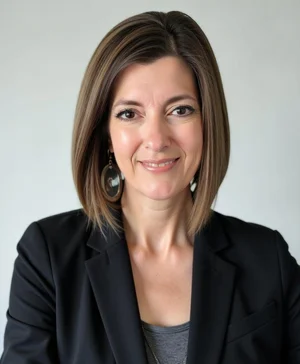
Today, emerging research from within the Ranger community is reinforcing that vision. Ranger David White, a doctoral student at Case Western Reserve University and a Tillman Scholar, is asking a remarkably important question.
What predicts veterans who thrive after military service?
For years, much of the research surrounding military transition has focused on the challenges veterans face after leaving the service. Researchers have explored trauma, unemployment, depression, and the many difficulties associated with transition. Those studies have been invaluable in helping us understand where support is needed. David's research asks a different question.
Instead of focusing on what goes wrong, he is studying what goes right.
His doctoral research explores how social identity and community shape veteran well-being, seeking to better understand the factors that help veterans build strong, healthy, and meaningful lives after military service. David's interest in this work is deeply personal.
After serving 18 years in Special Operations, including 14 deployments to Afghanistan and Iraq, a combat injury unexpectedly ended his military career. Like so many veterans, he understands that transition is about far more than leaving a profession. It is about rediscovering identity, rebuilding purpose, and finding community. His research reflects a belief that many in the Ranger community have experienced firsthand: thriving after service is not simply an individual journey. It is profoundly influenced by the relationships we build and the communities to which we belong.
That conviction aligns closely with the vision behind the Ranger Legacy Center.
The Ranger Legacy Center is not being designed as a place people simply visit. It is being designed as a place where people connect. A place where Rangers mentor the next generation. A place where Gold Star families remain surrounded by community. A place where veterans reconnect with lifelong friends. A place where stories are shared, wisdom is passed forward, and purpose continues long after military service has ended.
We believe environments shape people.
When an environment is intentionally designed to foster trust, belonging, and meaningful relationships, it creates opportunities for people to flourish. As Dr. Murthy's research has demonstrated, connection is foundational to well-being. As David White's research seeks to understand, connection may also be one of the strongest predictors of veterans who thrive. These ideas are not separate conversations.
They are converging.
Help Advance the Research
David's study is currently seeking veteran participants and will remain open through September 1. (Link to the Study)
If you are a veteran, we encourage you to participate. Your experience can help shape research that informs how organizations, communities, and leaders support veterans for generations to come. Every response contributes to a better understanding of what helps veterans not simply transition from military service, but truly flourish afterward.
At the Ranger Legacy Foundation, we believe legacy is more than preserving the past. It is creating the conditions for future generations to thrive.
Research like David White's helps illuminate that path, and we are honored to support the work.